CoE MicroPlanet Global Ambassador Program
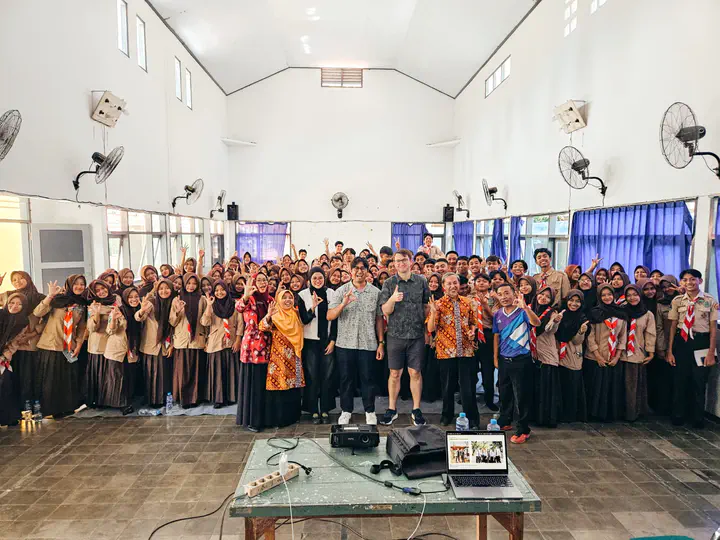
The Global Ambassador Program (GAP), launched by the Scientific Committee for Equal Opportunities (SCEO) of the Cluster of Excellence MicroPlanet, supports international trainees who have overcome educational or socioeconomic barriers and enables them to strengthen scientific links between the CoE and their home countries. This outreach program was carried out over six days across two partner institutions in Indonesia, combining scientific dissemination, practical skill transfer, and structured academic mentoring.
At the partner institutions, students and faculty identified opportunities to expand training in computational biology and reproducible analysis. The program introduced open-source workflows and offered practical guidance on funded graduate programs and academic applications.
The program was delivered at two institutions, with three full days of activities at each.
Day 1 – Economic Principles of Microbial Growth: Allocation, Trade-offs, and Quantitative Models
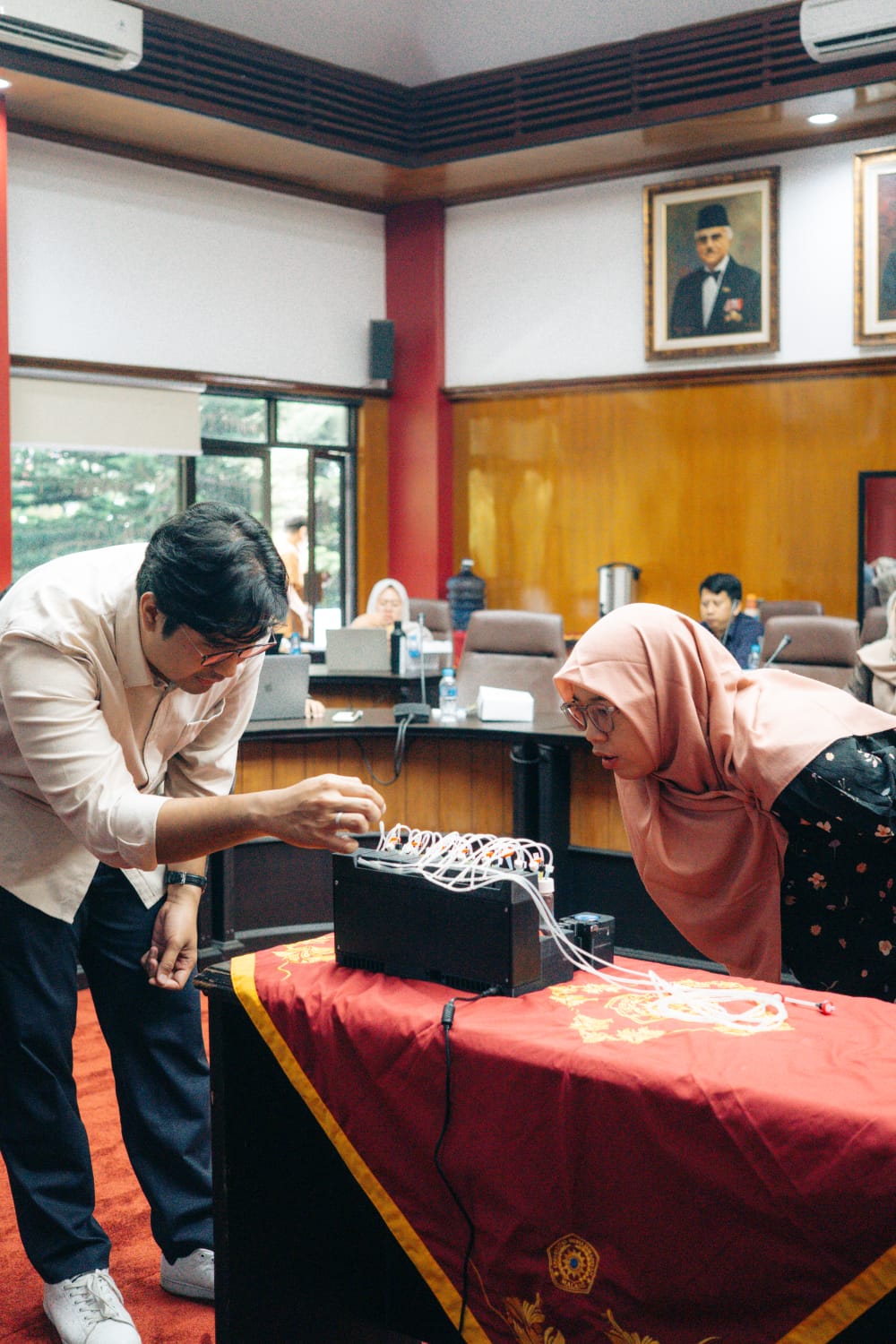
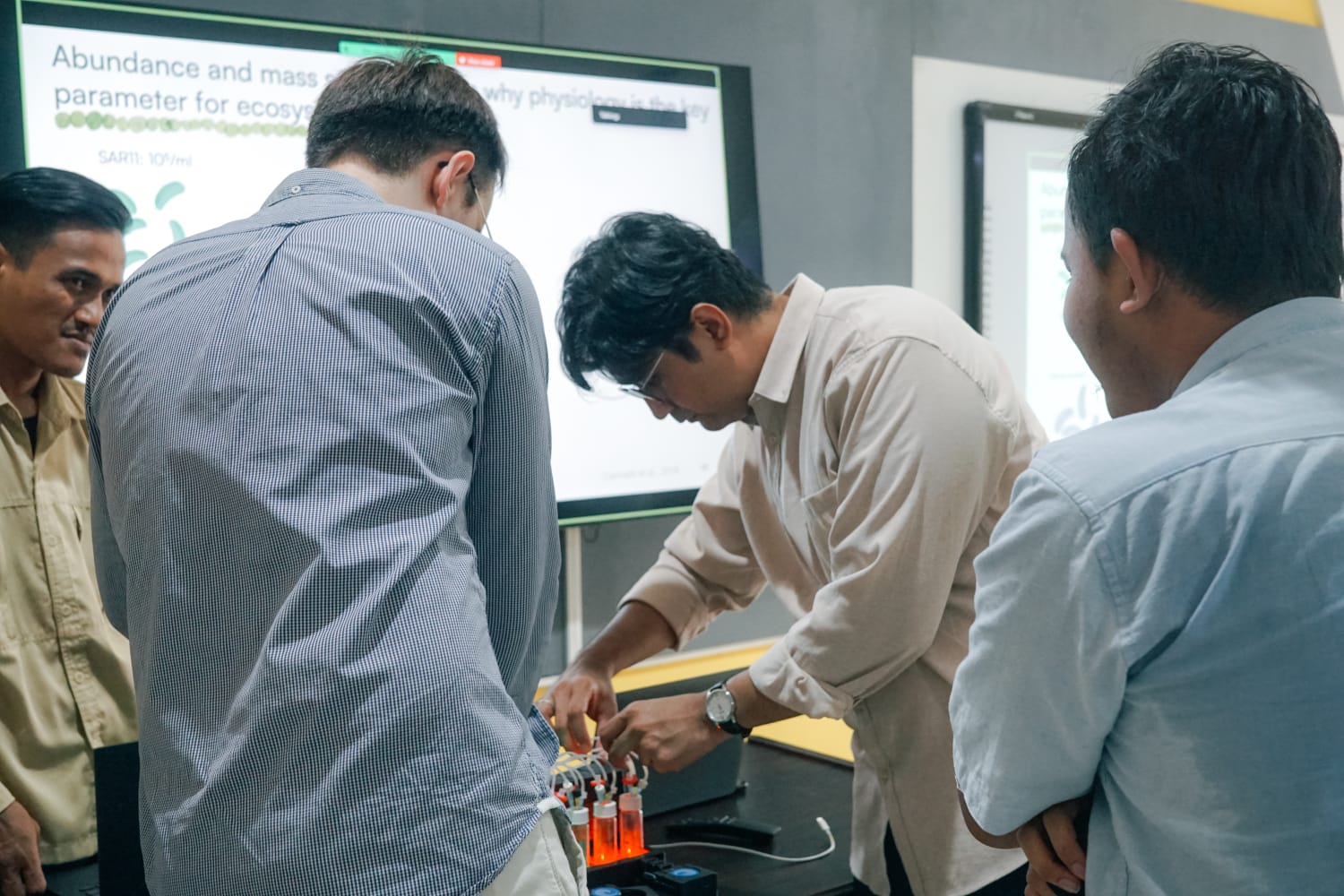
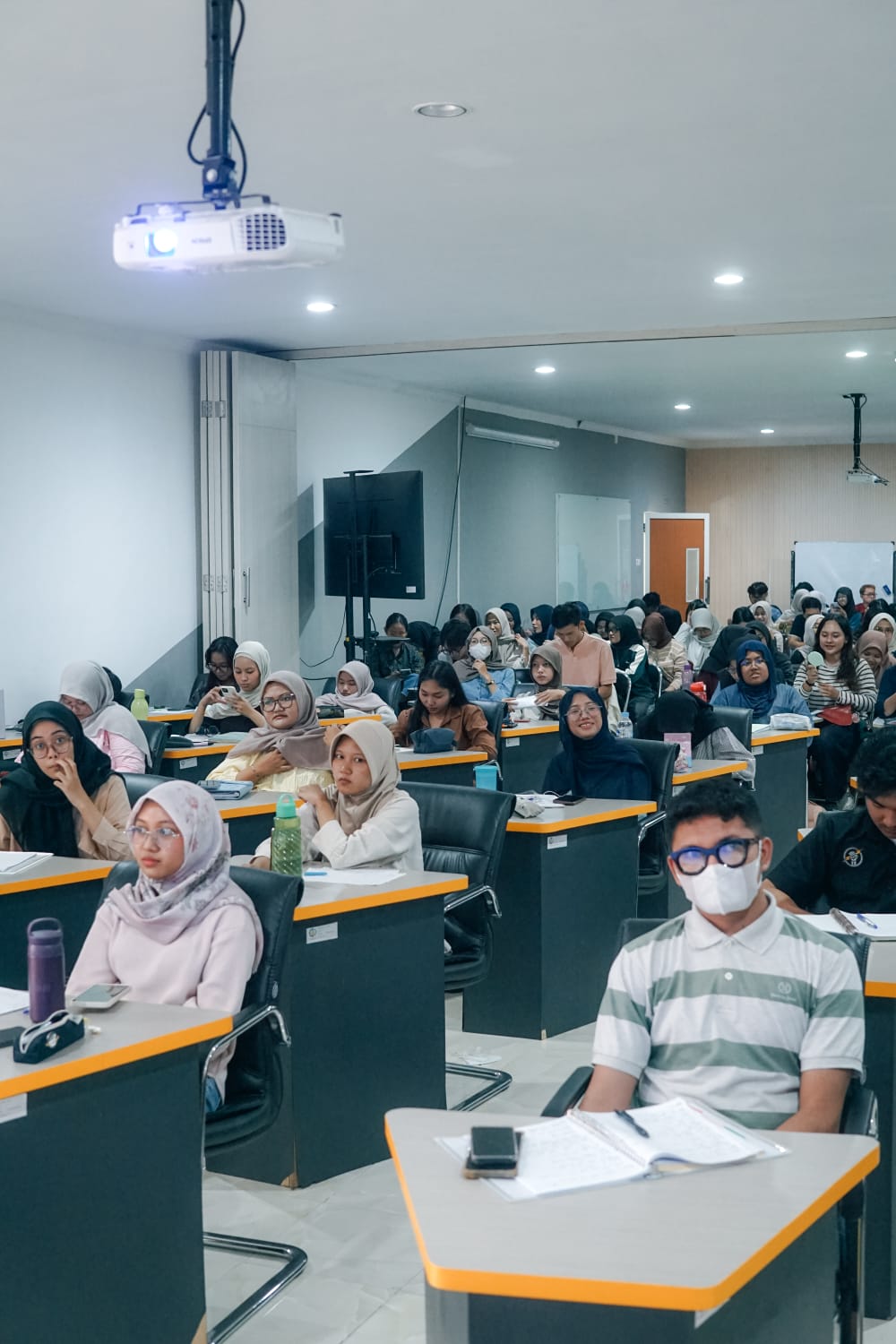
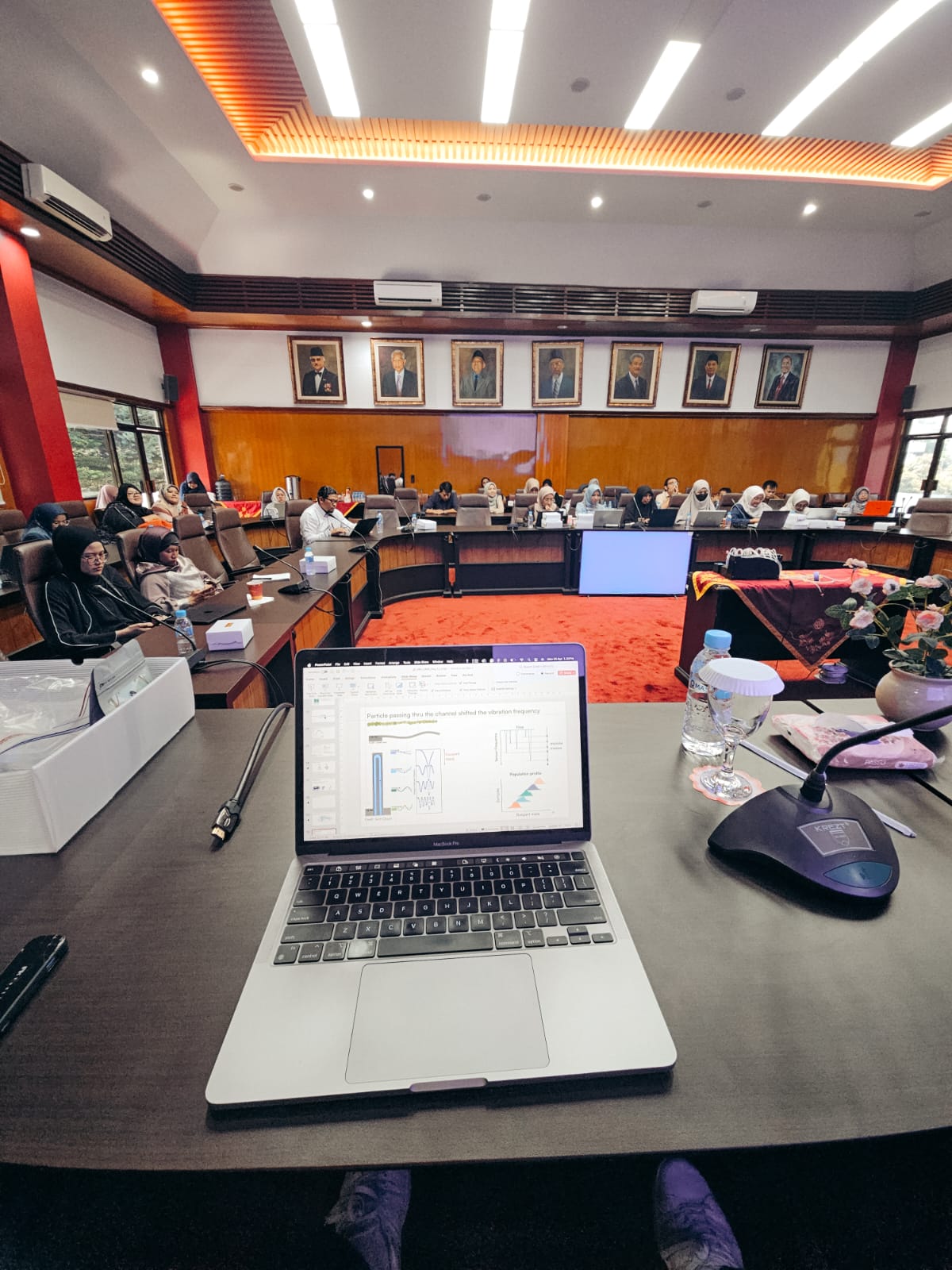
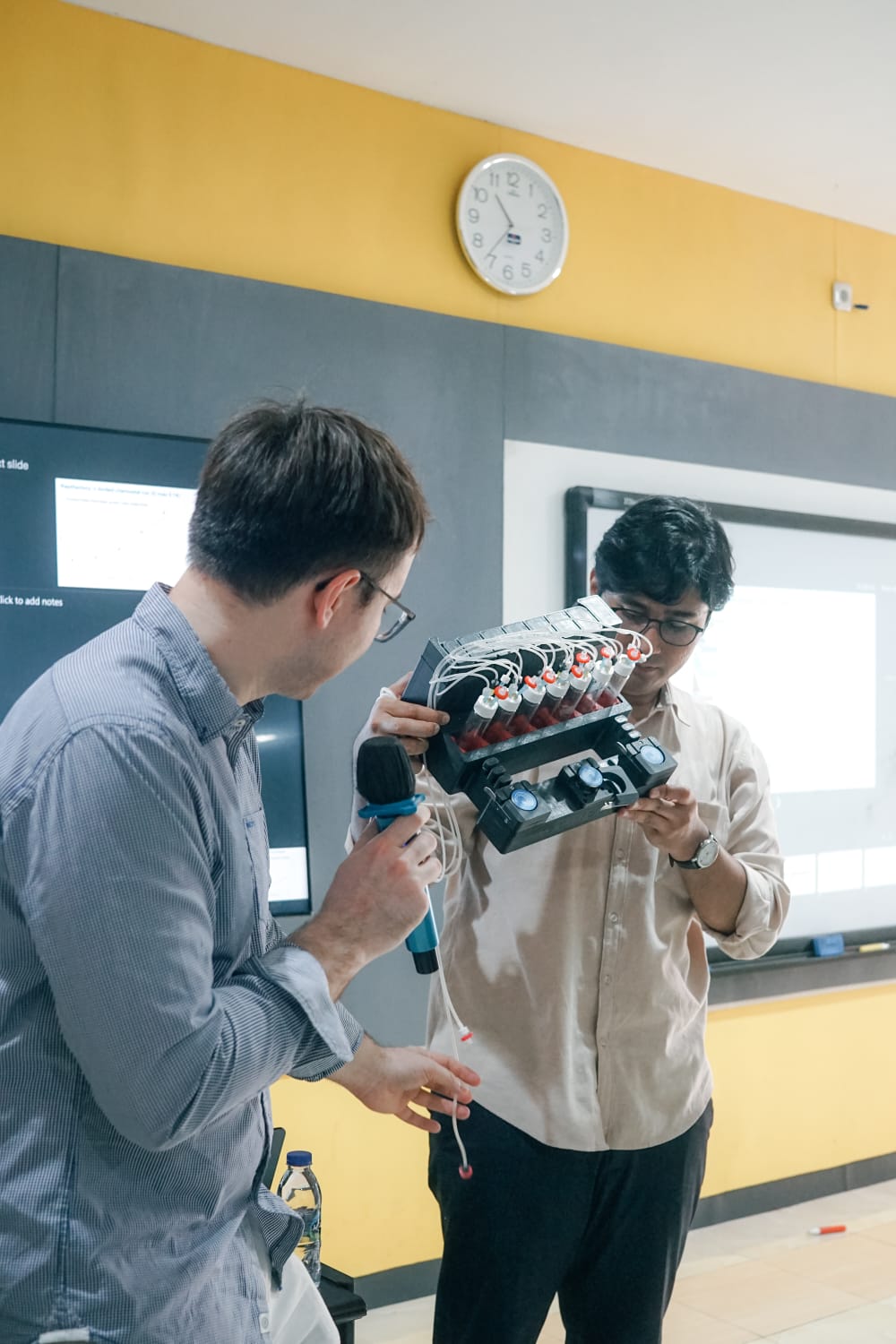
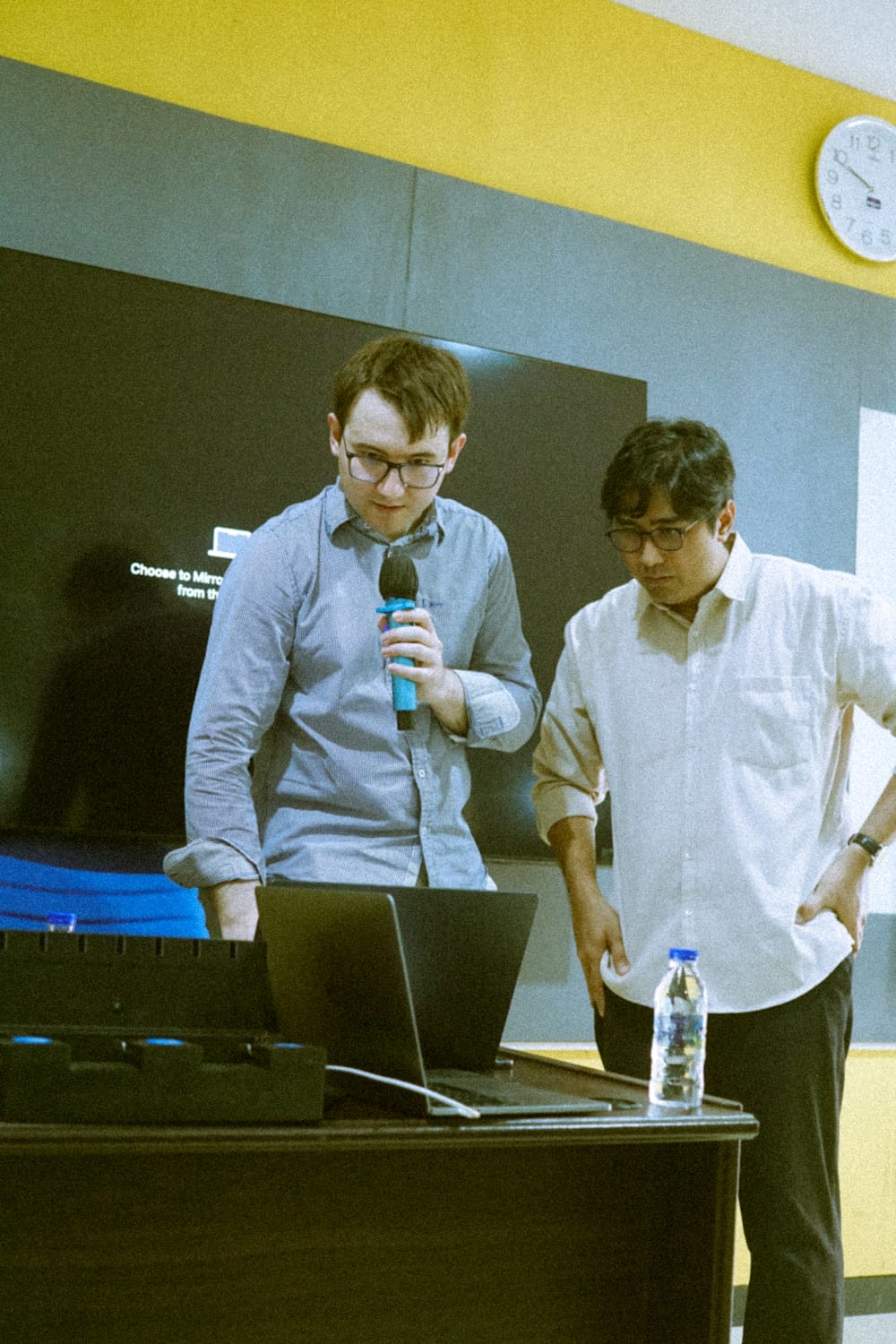
Introduction to microbial growth kinetics, bioreactors, and the integration of computation in microbiology, drawing from MicroPlanet WP 7.1 research themes. Around 200 students joined in a hybrid format at Institut Teknologi Sepuluh Nopember (ITS), and it turned into a lively discussion about microbiology, research, and career paths in science. The session at ITS was delivered together with Catalin Rusnac from Replifactory.
Day 2 – R for Biologists: Data Wrangling, Visualization, and Reproducible Analysis
Participants worked through an R exercise covering data cleaning with the tidyverse, visualization with ggplot2, and reproducible reporting with R Markdown, introducing a code-based complement to menu-driven analysis tools such as SPSS.
Day 3 – Preparing for Graduate Studies Overseas: Applications, Funding, and Mentorship Session
We went through how to find funded MSc and PhD positions, what selection committees look for, how to write emails to potential supervisors, and the scholarship landscape (Erasmus+, FWF, DAAD), followed by one-on-one mentoring.
At Universitas Muhammadiyah Malang (UMM), we held sessions with faculty members from several departments. The discussion covered similar topics and turned into a thoughtful exchange about research, studying overseas, and scientific collaboration.
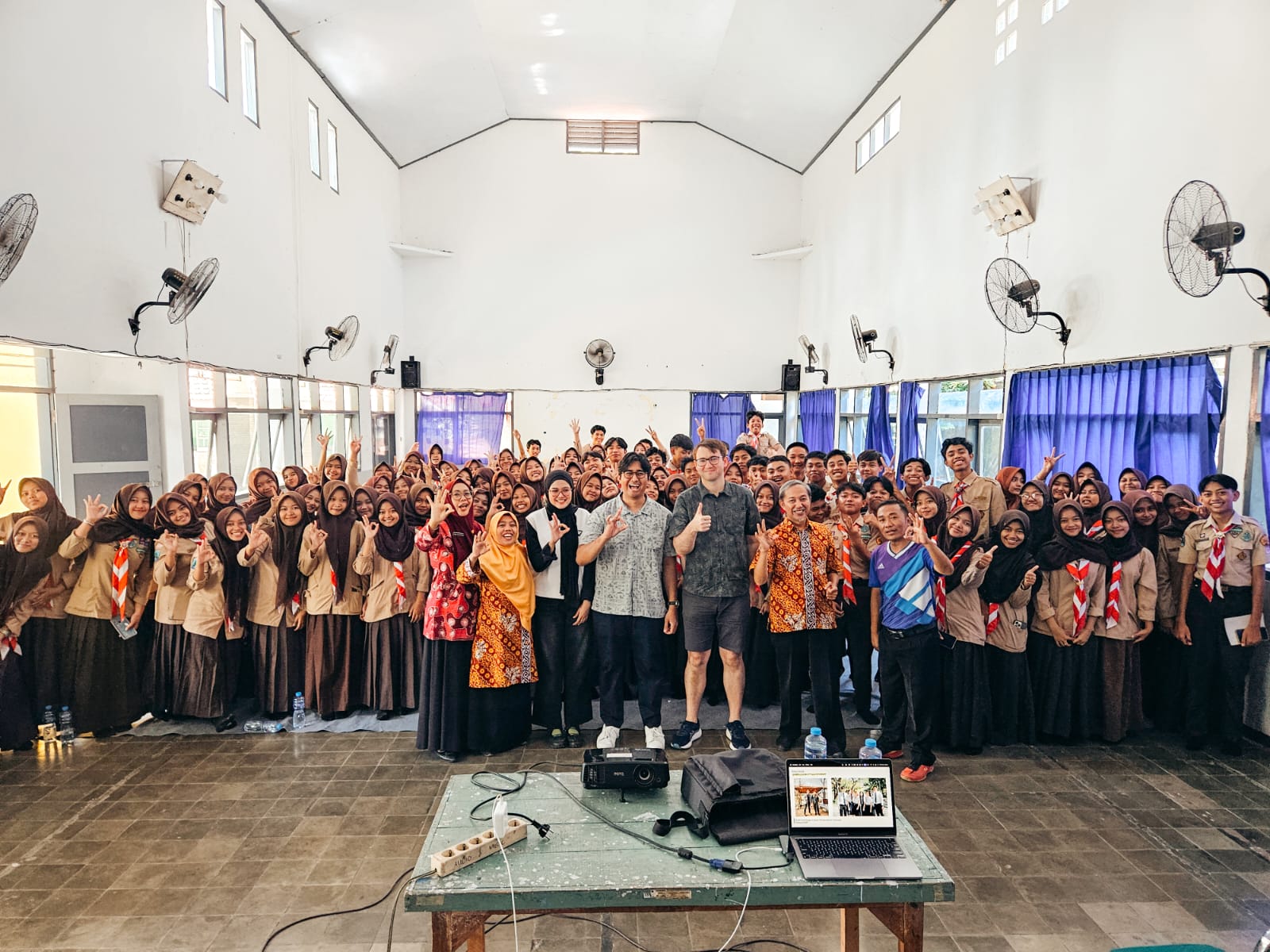
On the last day, I returned to my hometown and visited my old high school. Standing there again, but this time sharing my journey as someone who left, studied abroad, and is now doing a PhD, felt quite emotional. It made me reflect on how far the journey has been, and how important it is for younger students to see that pursuing a university degree is possible.
To measure the impact of the program, participants completed a self-assessment questionnaire before and after the sessions (scale 1–5). The results are summarized in the dumbbell chart below.
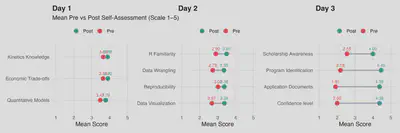
Day 1 (Guest Lecture) showed modest gains in kinetics knowledge (3.65 → 3.89), economic trade-offs (3.63 → 3.90), and quantitative models (3.43 → 3.78), reflecting increased conceptual exposure.
Day 2 (Technical Workshop) saw improvements across all four metrics: R familiarity (2.90 → 3.50), data wrangling (2.73 → 3.35), reproducibility (3.02 → 3.38), and data visualization (2.67 → 3.38), indicating meaningful skill development during the hands-on session.
Day 3 (Graduate Preparation) recorded the largest shifts. Confidence level jumped from 2.00 to 4.36, application document knowledge from 1.91 to 4.36, program identification from 2.18 to 4.45, and scholarship awareness from 2.55 to 4.00. Participants reported higher confidence and knowledge after the session, although the questionnaire measured self-perception rather than independently tested learning.
Partner Institutions
| Institution |
|---|
| Institut Teknologi Sepuluh Nopember (ITS), Surabaya |
| Universitas Muhammadiyah Malang (UMM), Malang |
This experience reminded me why science outreach matters.
Standing in front of students and early-career researchers like me, I wanted to show that a path in science, even the unconventional and messy kind, is something real and within reach. I am grateful for the chance to represent CoE MicroPlanet, and it meant a lot to come back and reconnect with the communities that shaped where I started.
The Journey from Vienna to East Java
11,000 km by air. 610 km by road. Two weeks across three cities.
The journey began with a roughly 21-hour flight from Vienna to Surabaya, about 11,000 km with one stopover. We arrived on a Sunday and hit the ground running. Starting Monday, we spent four days at Institut Teknologi Sepuluh Nopember (ITS), delivering the program back-to-back through Thursday.
On Friday we packed up and drove about 100 km south to Malang, roughly a 2-hour drive through East Java’s countryside. The sessions at Universitas Muhammadiyah Malang (UMM) ran on Monday and Tuesday of the second week, covering similar ground but with a different audience of faculty members and researchers.
Then came the longest road leg, Wednesday we drove another 210 km east from Malang to Bondowoso, about 4 hours through the mountains and beaches. After a day of settling in and reconnecting with the town, the final session took place on Friday at my old high school. In total, the program covered roughly 11,610 km.
Work With Me!
I’m always open to:
- Collaborations on outreach and capacity building
- Guest lectures or workshop invitations
- Mentoring partnerships
Let’s connect and chat!
Some Documentations