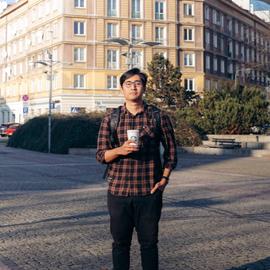
Lakoni: on becoming and continuing to be
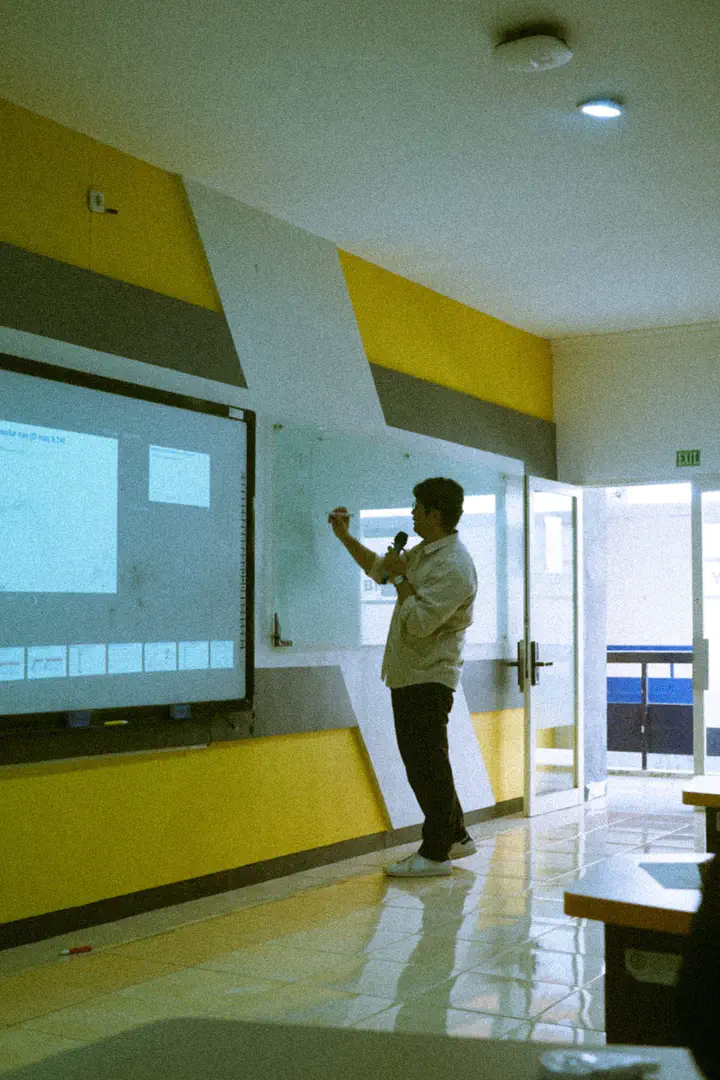
Recently, I found myself thinking about what I am going to do after my PhD. At first, I treated it as a practical problem to solve. Should I stay in academia? Should I move to industry? Should I remain abroad or eventually return home? These felt like sensible questions, the kind of questions people expect PhD students to ask as they get closer to the end of their studies.
But after sitting with those thoughts for a while, I realized that none of them were the real question. The reason I struggled to answer them was because I was trying to solve something deeper without naming it. What I was really asking was: who have I become all these years?
It is a surprisingly difficult question to answer. Six years ago does not sound like a long time, yet when I look back at the person I was then, he feels both familiar and distant. I still recognize him. I recognize his ambitions, his insecurities, and many of the things he cared about. Yet I also feel that if we sat across from each other today, we would spend hours trying to explain ourselves. Some dreams survived. Some quietly disappeared. Some values became stronger. Others turned out to matter less than I once thought.
What makes the question even stranger is that it eventually led me to another one. Not just who have I become, but who will I continue to be?
I think these are fundamentally different questions. The first looks backward and asks what life has done to us. The second looks forward and asks what we choose to carry with us. Perhaps this is why the end of a PhD feels unsettling. For years there is always another milestone waiting ahead. Another experiment, another presentation, another paper, another goal. There is a structure that quietly tells you what comes next. Then one day you realize the PhD is temporary, but the person emerging from it is not. The question is no longer what project you will work on next. The question becomes what kind of life will produce the person you want to become.
While thinking about all this, I remembered something my grandmother often says: “Lakoni, kita ini hidup memang menjadi pelakon.”
For most of my life, I understood it as encouragement to keep going, but recently it started to mean something else. There is a humility hidden inside that sentence. It does not tell us to control the story. It does not tell us to predict the future or solve every uncertainty before taking the next step. It simply reminds us that we are participants in a story that is always unfolding. The older I get, the more I appreciate the first word: lakoni. Not think about it endlessly. Not worry about it endlessly. Not predict every possible outcome.
Lakoni. Live it.
After all, when I look back at the past six years, I realize that I did not become who I am through planning alone. Most of the things that shaped me arrived unexpectedly: people, opportunities, disappointments, successes, failures, and countless small moments that seemed insignificant at the time. If someone had asked me six years ago where I would be today, I doubt I would have guessed correctly. The person writing these words is the result of living those years, there’s no way I could forecast them.
Maybe that is why the question of who I will become no longer feels as urgent as it once did. I still care about the future, and I still wonder what comes after the PhD, but I am becoming less convinced that life reveals itself through planning and more convinced that it reveals itself through participation. Some answers can only be understood in hindsight.
For now, perhaps it is enough to know which parts of myself I want to keep carrying forward. It is curiosity, the desire to learn, the desire to teach, the habit of asking questions that do not have immediate answers. The rest, as my grandmother would say, can be lived before it is understood.
Lakoni!